Here to guide you through the learning journey - one paw at a time

How You Feed Your Dog Influences Their Behaviour
DOG TRAININGDOGGY FACTS
Robyn
2 min read


Dogs vary a lot in how interested they are in food.
Some will finish their meals in seconds, while others don't seem interested at all.
In some cases, how food is presented can make a difference not only to behaviour, but to how engaged a dog feels with eating in the first place.
Feeding as Enrichment
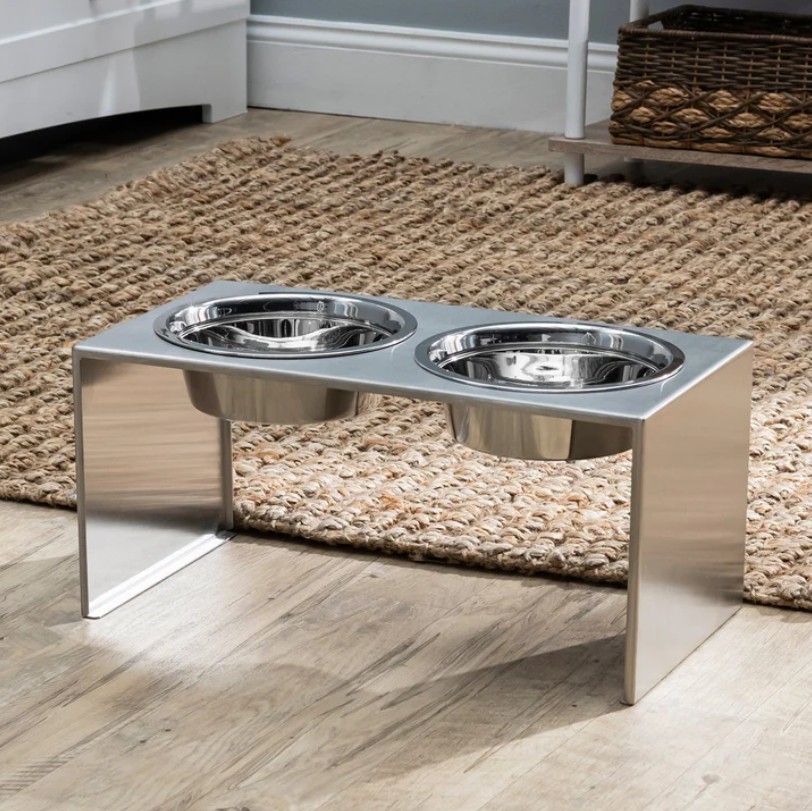

Feeding from a bowl is quick, convenient, and works well for many households.
However, for some dogs, mealtimes can also be an opportunity to provide enrichment.
When dogs are given the chance to sniff, search, or work to access their food, it allows them to engage in natural foraging behaviours.
This kind of mental activity can help support focus, promote calmness, and reduce the likelihood of them seeking out alternative ways to stay occupied later in the day.


Supporting Engagement With Food
Offering food in a more interactive way can also be helpful for dogs who are easily distracted, or who do not appear particularly motivated by meals.
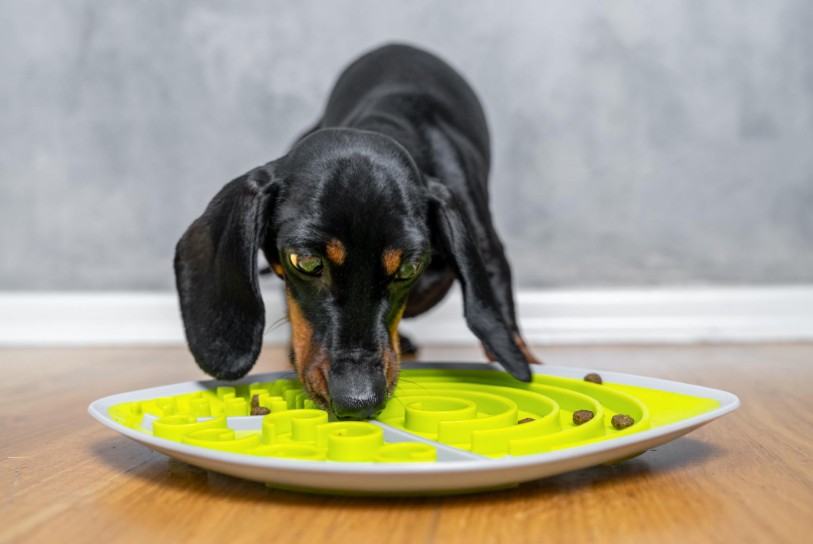


Encouraging engagement with food through sniffing or problem solving may increase interest in eating for some dogs, particularly in new environments or during periods of change.
Feeding as a Training Opportunity
Daily meals can also provide natural opportunities to reinforce everyday skills, such as:
Engagement
Eye contact
Loose lead walking
Recall
Settling on a mat
Using part or all of a dog’s meal in this way allows training to take place within existing routines, rather than needing to set aside additional time.
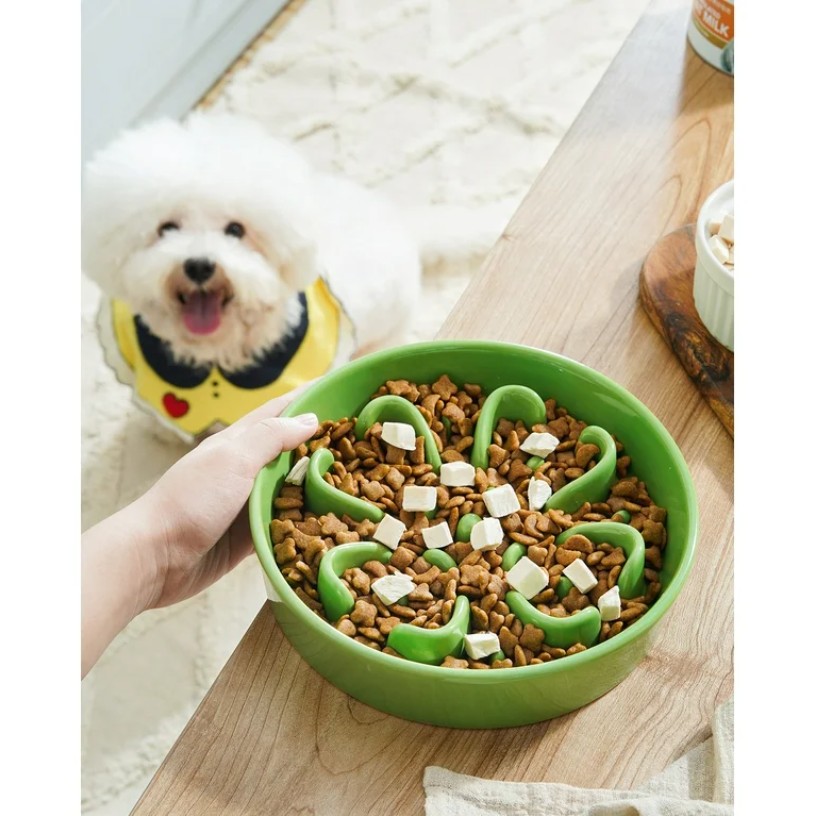


Making the Most of Feeding Time
Feeding time does not need to be separate from training or enrichment.
Small changes to how meals are delivered can give dogs opportunities to sniff, search, and problem solve. This can help support focus, encourage calmer decision making, and increase interest in food for those who are easily distracted.
Using part or all of a dog’s daily meals in this way can also create simple, repeatable opportunities to reinforce everyday skills within routines that already exist.
Mealtimes can offer a simple way to support both behaviour and engagement within everyday routines.